
Mastering Your Race Day Strategy: How to Use a Pace Calculator to Beat Your Personal Best in Canadian Road Races
Learn how to use a pace calculator to optimize your run, avoid common pitfalls, and achieve your personal best in Canadian road races.

Often, runners at events like the Vancouver Sun Run or the Scotiabank Toronto Waterfront Marathon start too fast. The excitement of the crowd and the cool Canadian morning air can make it hard to stick to a plan. If you go too hard in the first few kilometres, your pace will likely falter before you reach the finish line. Having a solid plan is the difference between setting a personal best and simply finishing the race in distress.
By using a Pace Calculator, you can determine the exact split times required to reach your target finish time. This allows you to conserve energy early and finish with speed. Instead of relying on guesswork, you will have a clear target to guide your effort from start to finish.
Setting the Stage with Data
When preparing for a road race, you must look at your current fitness levels. It is tempting to pick a goal based on what you hope to achieve rather than what your current training supports. To get a realistic view, you can input your recent run data into our Pace Calculator. This tool removes the ambiguity of race day pacing.
Instead of running by feel, which can be inconsistent, you will have a specific target for every kilometre. This creates a psychological advantage. When you know you are on track, you can manage your effort more effectively. This is similar to how you might plan your budget by using our Salary Calculator to understand your take-home pay after tax deductions, ensuring you have the financial resources for your racing gear and registration fees.
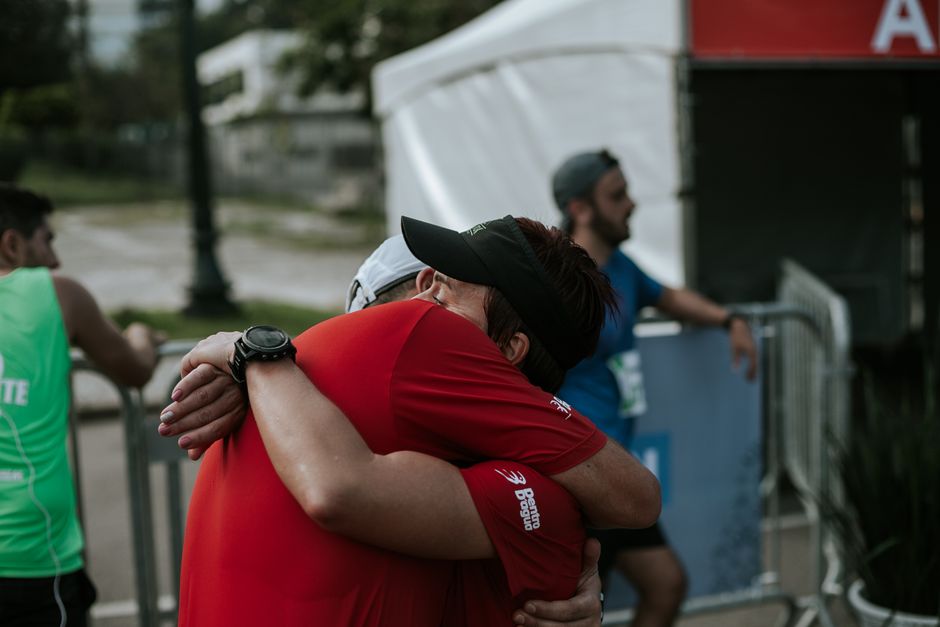
Photo by Juliano Ferreira on Pexels
Understanding Pacing Physiology
Effective pacing is not just about moving your legs faster. It is about energy management. If you burn through your glycogen stores too early, your performance will suffer in the later stages of the race. Staying consistent is key. You can also monitor your energy needs by using our Calorie Calculator to ensure you are fuelling correctly during your training cycles.
Physical activity is essential for long term health. According to the guidelines provided by the World Health Organization, regular aerobic activity is foundational. Integrating this into your life helps build the cardiovascular base required for endurance running.
Nutrition for the Long Run
Your muscle recovery is just as important as the kilometres you log. Protein intake plays a critical role in repairing tissue after a long run. You can calculate your daily requirements with our Protein Intake Calculator. Ensuring you have enough recovery fuel allows you to maintain consistent training volume throughout the week, which is crucial for marathon training.

Photo by Andrea Piacquadio on Pexels
Managing Your Training Cycles
Successful athletes view their training as a long-term project. Whether you are training for a 5K or a full marathon, the principles remain the same. Consistency over time produces better results than sporadic, high-intensity efforts. The healthy eating habits notes that moderate exercise, when done regularly, provides substantial health benefits.
When you plan your running schedule, align it with your other life commitments. You do not need to be a professional athlete to benefit from a structured plan. By maintaining a steady pace in your daily life, you will see improvements on the race course. Think of your training as a consistent practice rather than a one-time event.
Final Race Day Tips
On the day of the race, stick to the plan you generated. Do not get caught up in the pace of the runners around you, especially at the start. Use the first few kilometres to settle into your rhythm. Check your watch periodically to ensure your splits match your calculated pace. If you find yourself ahead of schedule, pull back. If you are behind, do not panic.
Small adjustments are better than big surges. Remember that every race is an opportunity to learn. Even if you do not hit your personal best on your first attempt, the data you gather will help you optimize your training for the next event. Stay focused, stay consistent, and enjoy the community spirit that makes Canadian road racing so special. By preparing with data and sticking to your plan, you will reach your goals faster.