
Post-Holiday Debt Hangover: Using the Snowball vs. Avalanche Method to Reclaim Your Finances
Overwhelmed by credit card bills after the holidays? Discover how the debt snowball and avalanche strategies can help you clear your balance and regain financial control.

Did you check your credit card statement after the holidays and feel that familiar sinking feeling? You are not alone as many Canadians find their bank accounts drained after a season of gifting and festive dining.
Seeing that balance climb is stressful, but you have the power to turn things around. The path out of debt often requires a clear plan rather than just wishing the bills would go away.
Understanding the Holiday Debt Trap
Canadians often rely on credit to manage holiday expenses, which leads to high interest charges in January. It happens to the best of us, especially with the cost of living rising across the country.
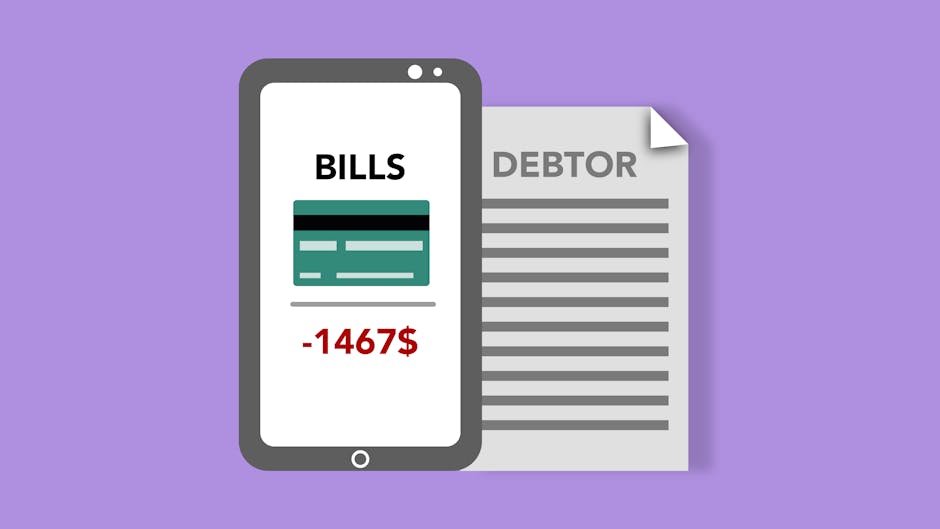
Photo by Monstera Production on Pexels
Credit cards often carry interest rates between 19 and 25 percent. When you only pay the minimum due, a large portion of your payment goes toward interest rather than the principal balance. This keeps you in a cycle of debt for months or even years.
To break free, you must see the total picture. Many people ignore the damage until the next statement arrives, but facing the numbers now is the first step toward reclaiming your financial health. You can organize your debts by listing them in a spreadsheet with their respective interest rates and total balances.
The Snowball Method: Building Momentum
The debt snowball method focuses on psychological wins to keep you motivated. You list your debts from the smallest balance to the largest, regardless of the interest rate.
You continue to pay the minimum payment on all your larger debts. Then, you put every extra dollar you can find toward the smallest balance. Once that first debt is gone, you roll that entire payment amount into the next smallest debt.
This method is effective because it provides a quick sense of accomplishment. Seeing a debt disappear from your list within a few weeks gives you the energy to keep going. It keeps you engaged in the process and helps you build the habit of consistent debt repayment.
The Avalanche Method: Prioritizing Interest Savings
If you prefer a purely mathematical approach, the avalanche method is your best bet. You order your debts by interest rate, starting with the one charging you the most annually.

Photo by https://kaboompics.com/ on Pexels
By targeting the debt with the highest rate first, you minimize the total interest you pay to lenders over time. You pay the minimums on everything else and direct all extra funds to the high-interest account. Once that is clear, you move to the next highest rate.
You can visualize exactly how much you save by using our Debt Payoff Calculator to see the long-term impact of your extra payments. Paying down high-interest debt quickly is a smart move for your overall net worth because it prevents interest charges from compounding into even more debt later in the year.
Making the Choice for Your Situation
Which path fits your style?
If you need frequent wins to stay on track, the snowball method is likely for you. If you are data driven and want to save on interest costs, the avalanche method is superior. Both paths require you to stop using your credit cards for new purchases until the balance is paid in full.
You can also compare various loan scenarios using our Loan Calculator to see how different monthly payments affect your timeline. It helps you see how a slightly higher payment can shave months off your debt repayment schedule.
Remember that checking the current state of your loans is vital. You can see how compound interest works against you with our Interest Calculator as well. Understanding the cost of carrying a balance is often the motivation needed to stay disciplined.
Practical Steps to Clear Your Balance
Once you have picked a method, you need a plan to find the money to pay extra. Look at your monthly budget and identify areas where you can trim spending for a few months. Even small changes, such as brewing coffee at home instead of buying it daily, can contribute to your debt repayment fund.
If you are struggling to make ends meet, check the Financial Consumer Agency of Canada for more resources on debt management. They offer tools to help you communicate with your bank or creditors if you find yourself unable to meet your minimum payments.
Also, keeping an eye on the Bank of Canada interest rates helps you understand the current borrowing environment. While you cannot control the central bank rate, staying informed helps you make decisions about whether to consolidate your debt or pay it off in parts.
Taking control of your debt starts today. Whether you choose speed through the snowball method or total interest savings with the avalanche approach, consistency is the key to paying off your holiday spending. Set your plan, stick to it, and look forward to a debt-free spring.