
The Real Cost of RV Ownership in Canada: Financing vs. Budgeting for Your Adventure
Buying an RV in Canada involves more than just the purchase price. Discover how to manage your budget and financing for your next cross-country trip.
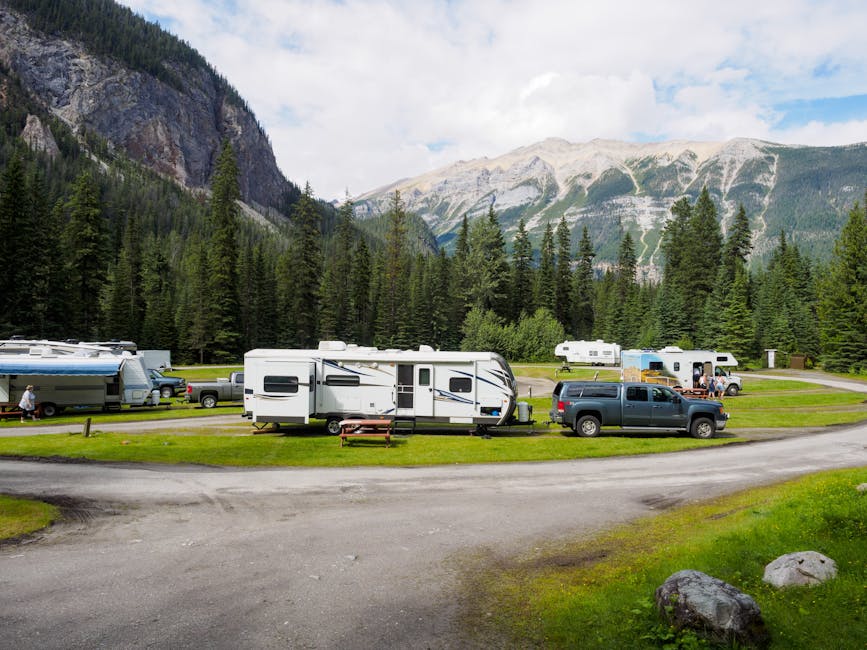
Dream of the Open Road
Dreaming of cruising through the Canadian Rockies or parking beside a secluded lake in Ontario? You are not alone. Many Canadians see the appeal of owning a recreational vehicle, but the excitement often fades when the true costs come into view. You might imagine the freedom of the open road, but the reality involves a complex set of financial commitments that extend far beyond the initial purchase price.
Before you sign a purchase agreement, you must account for the full spectrum of expenses. Owning an RV involves more than the monthly payment, and understanding the financial obligations will help you enjoy the lifestyle without undue stress. By planning effectively, you can ensure that your travels remain a source of joy rather than a financial burden.
The Hidden Costs Beyond the Sticker Price
When you look at an RV, the price on the tag is just the beginning. In Canada, sales tax is a major factor that often catches buyers off guard. Depending on your province, the GST, HST, or PST can add a significant amount to the total purchase price. You can use our Sales Tax Calculator to see exactly how much tax will be added based on your specific province.
Aside from taxes, you must factor in ongoing costs that occur throughout the year. Insurance in Canada varies greatly by province, the type of vehicle, and your driving history. You also have to consider registration fees, annual maintenance, and the cost of winter storage. If you live in a region with heavy snowfall, winterizing your vehicle is a non-negotiable expense to prevent damage to your plumbing and structure.
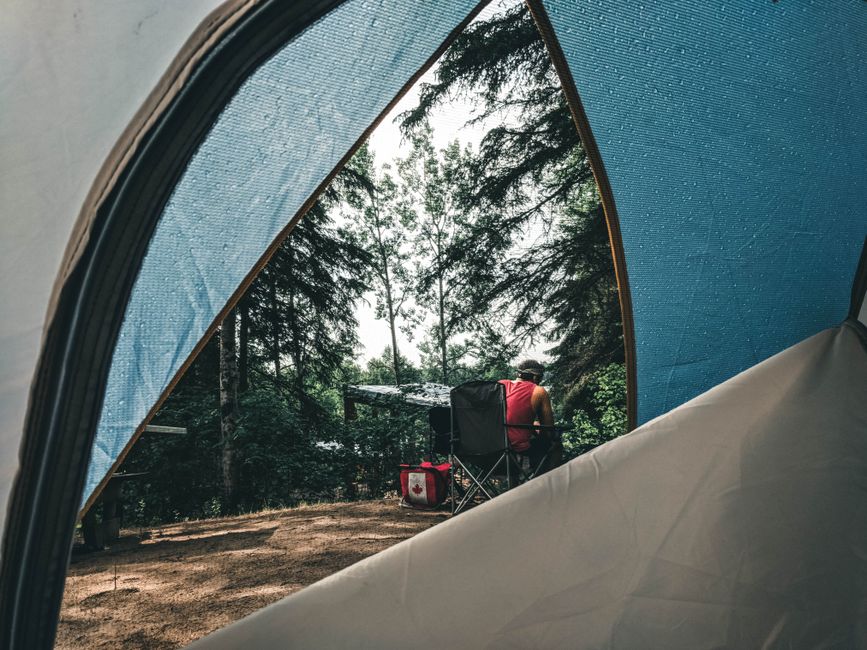
Photo by Ali Kazal on Pexels
Understanding RV Financing in Canada
Financing an RV is different from taking out a standard auto loan. RV loans often have longer terms, sometimes stretching up to 15 or 20 years, which can lower your monthly payment but increase the total interest paid over the life of the loan. It is vital to compare these terms carefully. You can run the numbers in our RV Financing Calculator to see how different interest rates and loan terms affect your long-term financial health.
Before locking in a loan, understand your own financial standing. Your debt-to-income ratio matters to Canadian lenders, and shopping for the best rate is essential. If you are curious about how a standard car loan compares, see our Auto Loan Calculator. High-interest debt is never ideal, so ensure your RV payment budget is sustainable. You should research current rates set by the Bank of Canada to understand the broader economic environment you are borrowing in.
Managing Monthly Cash Flow
Once you have secured financing, your monthly budget must account for seasonal fluctuations. Many Canadians only use their RVs for a few months of the year, yet costs like insurance and storage persist year-round. This is where a strict budget becomes essential.
Your monthly cash flow should cover the loan payment, insurance premiums, and a monthly savings contribution for maintenance. Unexpected repairs can happen, and having an emergency fund is crucial. The Financial Consumer Agency of Canada provides resources on understanding the total cost of borrowing, which is a great place to start your education on interest and fees.
The Reality of Depreciation and Operational Costs
It is vital to recognize that RVs depreciate in value, much like standard passenger vehicles. Unlike a home, which often appreciates over time, a new motorhome loses a significant portion of its value within the first few years of ownership. If you plan to sell the vehicle in the future, you must account for this loss in your total cost of ownership.
Furthermore, operational costs can fluctuate. Fuel consumption in an RV is much higher than in a fuel-efficient sedan, and gas prices in Canada can be volatile. On top of fuel, you must budget for campsite fees. Depending on whether you choose private parks, provincial campgrounds, or national parks, nightly rates can range from modest amounts to over $100 per night for premium sites.

Photo by Clément Proust on Pexels
Budgeting for Seasonal Maintenance and Storage
Living in Canada means preparing for the off-season. Storage fees can range from minimal costs for outdoor parking to significant monthly fees for climate-controlled indoor storage. If you choose to store your vehicle outdoors, you might need a quality cover or a carport structure to protect it from the elements.
Do not overlook the cost of seasonal prep. Every spring, you will likely need to service the engine, check the tires, and sanitize the water system. These small costs add up. By incorporating these into your annual budget rather than treating them as surprises, you keep your financial plan on track.
Making the Numbers Work for Your Lifestyle
Owning an RV can provide incredible freedom and memories, provided you go in with your eyes open. By analyzing your budget, understanding the total cost of financing, and planning for seasonal maintenance, you can ensure that your RV remains a source of joy rather than a financial burden.
Take the time to map out your finances properly. Whether you are buying a travel trailer or a luxury motorhome, clarity is your best friend. Enjoy the journey, knowing you have built a solid financial foundation for your adventures across this beautiful country.