
The Hidden Monthly Overhead: How to Factor Insurance and Winter Storage into Your RV Financing Plan
Financing an RV is more than just a monthly payment. Learn how to calculate the true cost of Canadian RV ownership, including insurance and winter storage, to avoid financial surprises.
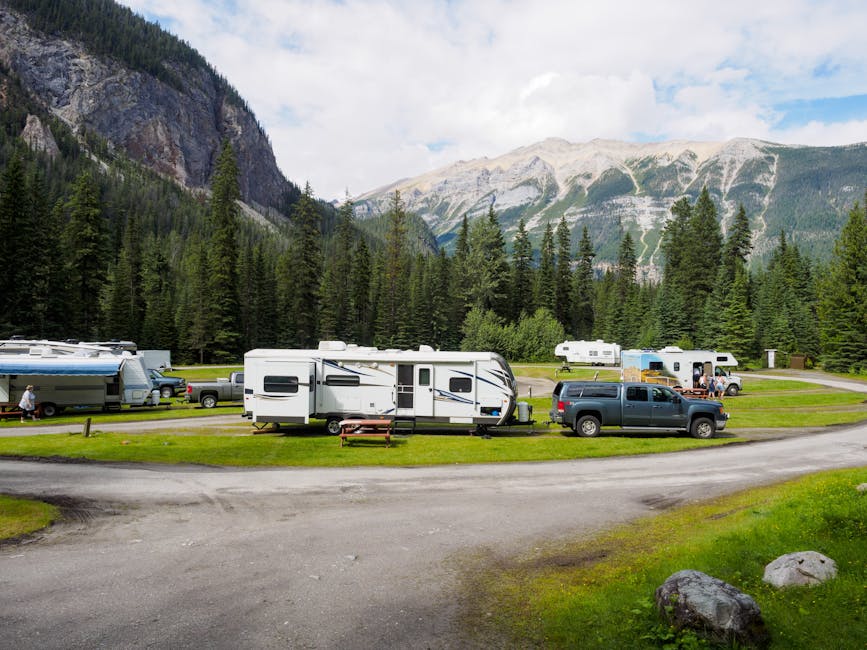
The dream of owning an RV in Canada often starts with a trip to the dealership. You walk the lot, step into a few floor plans, and start picturing yourself on the Trans-Canada Highway. However, many new buyers focus entirely on the sticker price or the monthly loan payment, neglecting the reality of ongoing maintenance, insurance, and storage costs that arrive once the sale is complete.
If you only budget for the monthly loan instalment, you might find your finances strained by the time the snow starts falling in October. Owning an RV involves seasonal fixed costs that can catch you off guard if you have not prepared for them properly. Taking a comprehensive view of your budget today saves you from stress later.
The Real Cost of Ownership
When you commit to an RV purchase, you must look at the total monthly carrying costs, not just the loan payment. Many buyers focus on the financing terms but forget to add taxes, insurance, and the recurring fees associated with maintaining a vehicle that sits stationary for several months of the year. To start, you should run your base loan numbers through our RV Financing Calculator to see how the interest rate and term length impact your monthly commitment.
Remember that the purchase price you see on the sticker is rarely the final cost. Depending on your province, you need to account for GST, PST, or HST. You can get a clearer picture of your total initial outlay by using our Sales Tax Calculator to determine exactly what you will owe at the point of sale. Once you have the loan and taxes calculated, you need to layer on the recurring monthly expenses that often get overlooked.

Photo by Elias Storm on Pexels
Canadian RV Insurance Costs
Unlike a standard passenger vehicle, RV insurance is highly specific to how you use the unit and where it is stored. Policies vary significantly between a towable travel trailer and a motorized Class A motorhome. Some provinces require specific endorsements, and your premiums may fluctuate based on whether you are parking the RV on your own property or keeping it in a commercial facility.
Before finalizing your financing, call a few insurance brokers to get quotes for the specific make and model you are considering. Do not assume your existing auto policy covers your new trailer automatically. You should review the Financial Consumer Agency of Canada guide on borrowing money to ensure you understand the terms of your credit agreements and how they relate to asset protection. If you are upgrading from an older vehicle and are concerned about existing debt, you might consider our Auto Loan Calculator to see if you can manage your overall debt load effectively.
The Seasonal Reality: Factoring in Winter Storage
One of the most significant costs for Canadian RV owners is winter storage. Unless you have space on your property to store a large trailer, you will likely pay a monthly or seasonal fee for a secure storage lot. These costs can range from a few hundred dollars to over a thousand depending on the facility, the security provided, and your location in the country.
You should treat this as a mandatory line item in your monthly budget. Divide your annual storage cost by twelve and add it to your monthly financing payment. This ensures you are setting aside the correct amount of money each month, rather than scrambling to pay a large lump sum when the first snowfall arrives. Planning ahead allows you to set aside funds in a high interest savings account specifically for these seasonal fees.
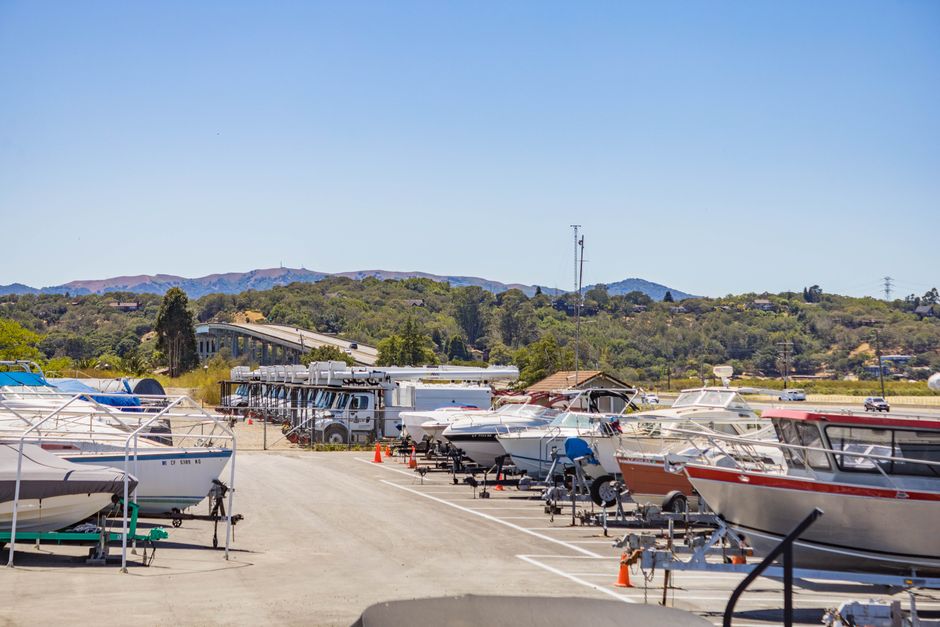
Photo by Robert So on Pexels
Putting It All Together
To build a sustainable RV budget, create a spreadsheet that lists your financing payment, your insurance premium, and your monthly share of storage costs. You should also add a small buffer for seasonal maintenance, such as winterization, slide seal inspections, and tire pressure checks. It is also wise to keep an eye on broader economic factors like interest rates, which are tracked by the Bank of Canada, as they can influence the cost of credit for your next purchase.
By including these hidden overheads, you avoid the trap of being 'RV poor,' where you own the vehicle but cannot afford to fuel it or pay for the seasonal requirements. This proactive approach allows you to enjoy your travels without the constant worry of an unbalanced budget. True financial confidence comes from knowing exactly what your hobby costs from January through December.
Practical Takeaway
Do not let the excitement of the dealership floor cloud your financial planning. Take your monthly loan estimate and add at least 15 to 20 percent to account for insurance, storage, and routine seasonal maintenance. By factoring these expenses into your monthly budget before you sign the financing agreement, you ensure that your RV remains a source of relaxation rather than a source of financial stress.