
Breaking Free: How to Prioritize Canadian Student Loans vs. High-Interest Credit Card Debt
Deciding whether to pay off government student loans or high-interest credit card debt requires a clear strategy. Learn how to analyze your interest rates, use tax credits to your advantage, and create a realistic payoff plan using our calculator.
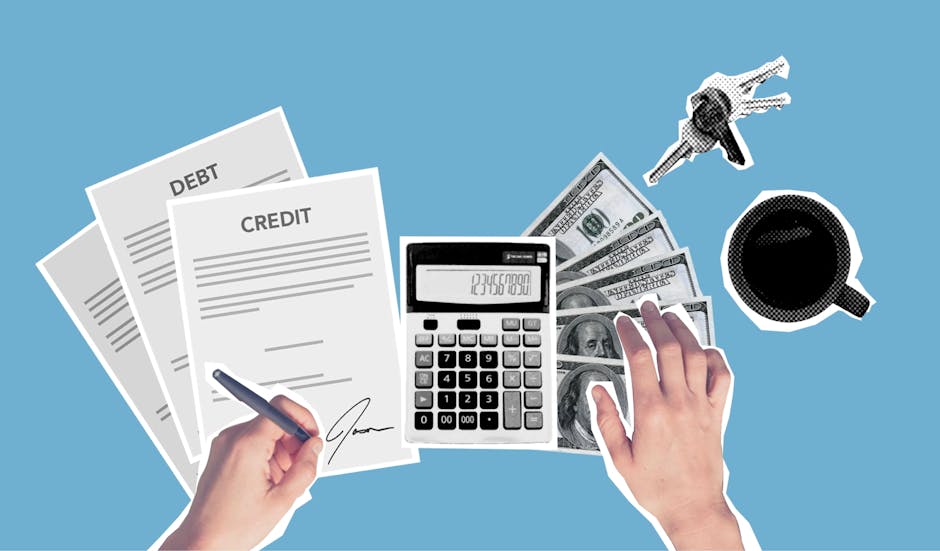
Many Canadians find themselves in a challenging position when managing multiple forms of debt. You might have thousands of dollars on a credit card that charges 20 percent interest, while your government student loan sits at a lower rate and feels more manageable. It is common to wonder if you should focus on the student loan because it represents a large balance, or if you should aggressively target the credit card debt first.
The decision comes down to the math behind your interest charges. Your goal is to pay the least amount of total interest over the life of your debts, and this means identifying which account is costing you the most money every single month. By creating a solid plan, you can stop the cycle of minimum payments and regain control of your financial future.
The Financial Landscape of Debt in Canada
Dealing with debt is a reality for many, and the approach you take depends heavily on the type of interest you are paying. Credit cards are revolving debt, meaning they carry high interest rates that compound rapidly if you do not clear the full balance every month. In contrast, government student loans are designed with different terms, often including floating or fixed rates that are generally lower than consumer credit products.
When you look at your accounts, you are essentially managing two different classes of liabilities. One is an emergency that erodes your wealth daily, while the other is a long-term obligation that may actually offer some tax benefits. It is helpful to visit the Financial Consumer Agency of Canada to understand the basics of debt management and how to prioritize your payments effectively.

Photo by Tima Miroshnichenko on Pexels
The Math Behind Your Interest Rates
To decide where your extra money should go, you need to compare the interest rates directly. Credit card companies often charge upwards of 19 to 25 percent annually. If you only pay the minimum amount, a significant portion of your payment goes toward interest rather than the principal, which keeps you in debt for years.
Student loans function differently. Even if the interest rate seems high, the effective cost is often lower because the interest you pay on government loans is tax-deductible. You can claim a non-refundable tax credit on the interest paid, which helps recover some of the cost at tax time. You can use our Income Tax Calculator to estimate how much your tax situation might change based on your total income and deductions.
Leveraging Tax Credits For Student Loans
Since student loan interest qualifies for a federal tax credit, you are effectively paying a lower net interest rate than the nominal rate advertised by the lender. When you compare this against a credit card rate that offers no such tax relief, the priority becomes crystal clear. You should prioritize paying off the credit card debt because every dollar you pay there provides a guaranteed return equal to the high interest rate you are no longer paying.
For more details on how interest is applied to your specific provincial or federal loan, refer to the official information on student loan repayment. Understanding these details helps you calculate the true cost of borrowing versus the benefit of repaying early.
Mapping Your Strategy With Data
Once you have identified the debts with the highest interest rates, you need to build a schedule. A visual plan prevents you from guessing and helps you stay on track when your budget feels tight. You can run the numbers in our Debt Payoff Calculator to see how small, consistent extra payments can shorten your timeline significantly.
How To Use The Debt Payoff Calculator
Start by listing every debt you have, including the balance, the interest rate, and the minimum monthly payment for each. Plug these figures into the calculator to see your current trajectory. It will show you exactly how much interest you will pay over time if you stick to the minimums compared to what happens if you add an extra hundred dollars to your highest-interest debt each month.
If you are considering a consolidation loan to combine these debts, you might want to see how that fits into your overall plan. You can use our Loan Calculator to test whether a lower-interest consolidation loan actually saves you money after accounting for any setup fees or interest changes.

Photo by Tara Winstead on Pexels
Balancing Investment And Debt Repayment
Some people wonder if they should invest in a TFSA or RRSP while they still have debt. If your credit card debt is sitting at 20 percent, it is almost impossible to find a safe investment that earns a 20 percent return. Therefore, paying off that high-interest debt is essentially a guaranteed 20 percent return on your money, which is better than almost any market investment.
However, if your remaining debt is at a very low rate, such as a student loan at a low interest rate, you might choose to split your extra funds. You could put some toward the loan and some toward investments. You can explore how your money grows over time using our Investment Calculator to visualize the long-term impact of starting your savings journey earlier.
Practical Takeaways
Prioritizing your debt is a simple matter of comparing rates and identifying the biggest drain on your finances. Focus your extra cash on the highest interest debt first, which is almost always your credit card. Once that is clear, redirect those payments to your student loans while ensuring you claim your tax credits annually. By visualizing your path with a clear calculator, you transform a stressful situation into a manageable plan that leads to total debt freedom.