
Beyond the Scale: Using Body Fat Percentage to Track Your Off-Season Gains in the Canadian Gym
Ditch the scale and track your progress smarter this winter. Learn why body fat percentage offers a better look at your off-season training results in Canada.

As the leaves fall and temperatures drop across the provinces, your fitness routine undergoes a natural shift. You might trade your weekend trail runs or cycling loops for the weight room at your local community centre. Many Canadians find this transition frustrating because the scale number often climbs, even when they are working hard to build strength.
It is common to focus solely on that single number on the bathroom floor. However, that digit often fails to capture the physiological changes happening beneath your skin. If you want to understand how your body composition is changing during your off-season, you need better metrics than just total body mass. This is where body fat percentage becomes a useful tool for tracking your actual progress.
Why Scale Weight Misleads You
When you start an intensive lifting program to build muscle during the winter months, your weight might increase or remain static. People often panic, thinking they are gaining fat, but this is frequently a result of increased water retention, higher glycogen storage in your muscles, or simple muscle tissue growth. Muscle is denser than fat, so you could be losing inches off your waist while the scale stays the same.
Tracking your weight alone can create unnecessary stress, similar to checking your bank balance every hour while waiting for your T4 slip. Instead, consider the broader picture of your health. You can gain a clearer perspective by looking at your body fat percentage to see if the weight change is driven by muscle gain or fat accumulation. To get started, you can run the numbers in our Body Fat Calculator to establish a baseline.

Photo by Biel Heinrich on Pexels
Understanding Composition vs. Weight
Health experts emphasize that weight is just one data point. The World Health Organization and local groups like the Heart and Stroke Foundation often point out that where you carry your fat and how much lean tissue you maintain are stronger indicators of overall wellness. You can read more about healthy eating basics to better align your goals with medical guidelines.
While weight is easy to track, it does not reveal the composition of that weight. If you are curious about how your weight relates to your overall body profile, our BMI Calculator provides an additional way to categorize your metrics. It helps you see where you stand in a general sense, though it is still best paired with body fat measurements for a complete view.
Setting Your Off-Season Training Goals
Winter is the ideal time to focus on hypertrophy and strength. You have fewer distractions, as outdoor sports like mountain biking or hiking are often paused by the snow. You can use this time to organize your nutrition around these specific gym goals. If you are not fuelling your body properly, you will struggle to see the changes you want in your body composition.
Your nutrition plan should support muscle protein synthesis without leading to unnecessary fat gain. You can determine your daily needs for different training intensities with the Calorie Calculator. Tracking your food allows you to adjust your intake as your training volume changes throughout the season, much like you might adjust your budget for seasonal expenses like heating or vehicle maintenance.
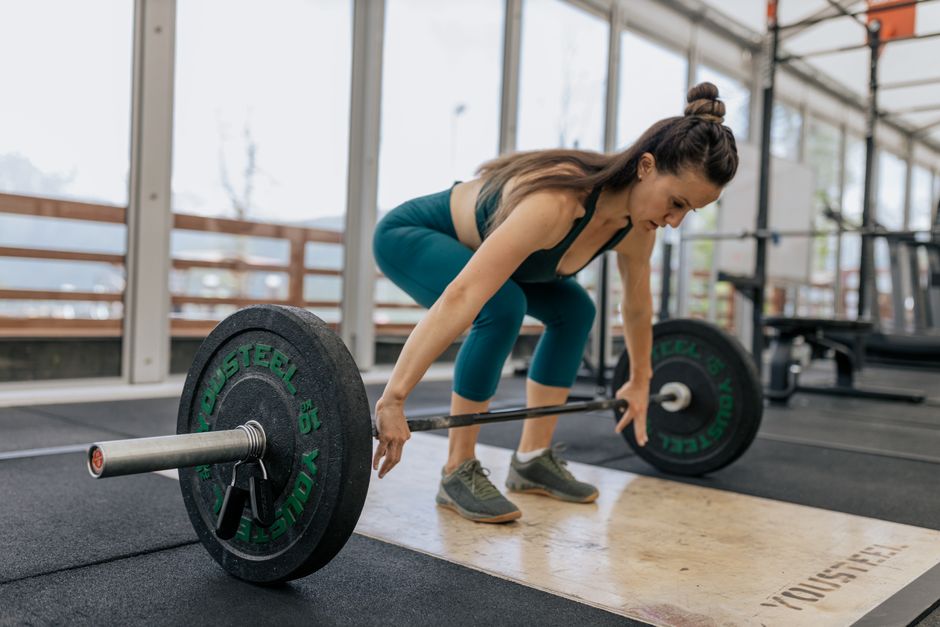
Photo by Anastasia Shuraeva on Pexels
The Importance of Long Term Consistency
Physical progress does not happen in a week or two. It requires consistent effort over several months. Statistics Canada notes that sustained physical activity levels contribute significantly to long-term health outcomes, as seen in their reports on health and physical activity. You should treat your fitness journey with the same patience you would apply to your financial health.
Just as you would track your TFSA or RRSP growth to ensure you are on the right path for retirement, you should track your body composition metrics regularly. You can model your long-term fitness trajectory with our Investment Calculator to visualize the impact of consistent, small improvements over time. The key is to avoid looking for shortcuts.
Practical Steps for Success
Start by measuring your body fat percentage once every two or three weeks rather than daily. Take your measurements at the same time, ideally in the morning after using the washroom. This reduces the noise in your data and provides a more accurate trend line. If your body fat percentage is decreasing while your strength numbers on squats or presses are increasing, you are in a great spot.
Do not let a fluctuations in weight discourage you from your plan. Your body is adapting to the new training stimulus of the winter season. Stick to your routine, keep your protein intake steady, and use your body composition tracking to confirm that you are heading in the right direction. With this approach, you will walk into the spring season stronger and healthier than when you started.