
Crushing Your 10k Goal: Using a Pace Calculator to Prepare for the Vancouver Sun Run
Learn how to set realistic training targets for the Vancouver Sun Run using a pace calculator to optimize your performance and enjoy the race experience.
Signing up for the Vancouver Sun Run feels like a rite of passage for many Canadians. You register, grab your bib, and suddenly the reality of the race hits home. Many runners set a goal time, but simply hoping to run fast is not a winning strategy. You need a structured plan that considers your fitness level and the physical reality of the Vancouver route. Success comes from preparation, consistency, and understanding exactly what speed you need to maintain to cross that finish line at the time you want.
Why Pace Matters for Your 10k
The Sun Run is not just about the finish line. It is about consistent performance throughout the 10k journey. Whether you are aiming for a personal best or just wanting to finish without stopping, your pace determines your success. You can see how your current speed translates to a final time by using our Pace Calculator. This tool helps you break down your run into manageable segments. Understanding your average pace per kilometre allows you to train your body to hold that speed, even when the terrain gets tough or the crowd makes it hard to maintain your rhythm.
Running is an exercise in managing energy. If you start too fast, you will likely hit a wall before you reach the final stretch near the stadium. By using the calculator, you can determine a target pace that is challenging but sustainable. It removes the guesswork and provides a concrete target for every training run.
Mastering Your Race Strategy
First, understand your current baseline. Do not aim for a record time if you have not trained for it. You should base your goals on recent training runs rather than past achievements. If you are curious about how your physical health and body composition relate to your running efficiency, you can check our BMI Calculator. Maintaining a healthy weight can aid your running, though you should focus on overall health rather than just the number on the scale.
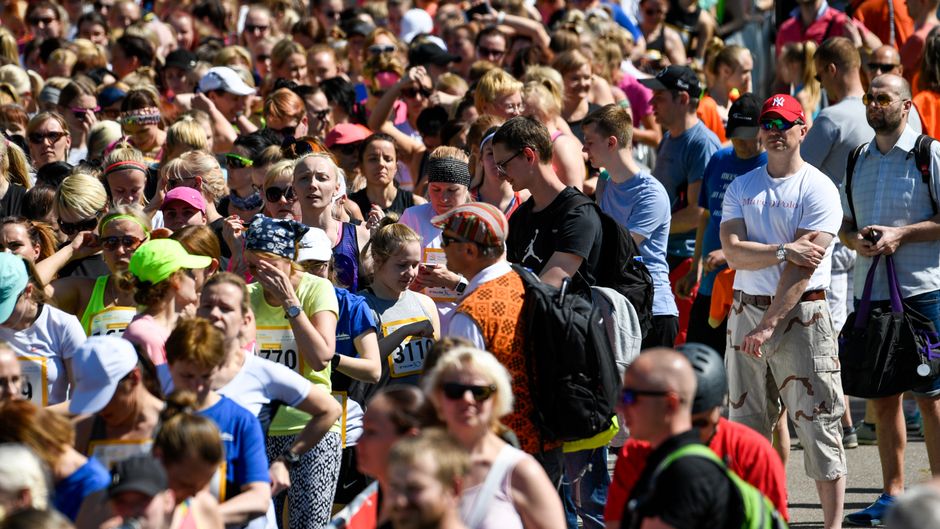
Photo by Margo Evardson on Pexels
Preparing for the Vancouver Course
The Vancouver Sun Run route includes some iconic sections, including the climb up the Burrard Bridge. This is where many runners lose their momentum. To prepare, you need to practise running on similar gradients. When you know your target pace, you can adjust your effort on the hills to ensure you do not burn out too early. A steady, consistent approach is often faster than a strategy of sprinting and then slowing down.
Building a Training Routine
Training for a race requires a balance between exertion and recovery. Consistency is the most important factor in your training plan. You need to eat well to fuel your muscles. You can estimate your daily energy needs with our Calorie Calculator to ensure you are eating enough to support your training volume. The Government of Canada offers excellent resources on Physical Activity Guides that provide a scientific basis for your routine.
Make sure to organize your weekly schedule to include rest days. It is a common mistake to train too hard without allowing for recovery. Your muscles grow and adapt during rest, not during the workout. If you find your energy dipping, analyze your intake and sleep schedule. Small adjustments often lead to big improvements in how you feel on race day.
Managing the Costs of Training
Running is relatively inexpensive compared to many other hobbies, but your time is valuable. Think of your training sessions like a recurring bill. You are investing hours to pay down your fatigue and earn your fitness. It is almost like using a Salary Calculator to understand the hourly value of your hard work. When you put in the time, you see the returns on race day. The investment you make in training will pay dividends in the form of a successful race result and a boost in confidence.

Photo by Ketut Subiyanto on Pexels
Staying Healthy for the Long Run
The Heart and Stroke Foundation emphasizes that healthy eating is essential for endurance. Focus on whole foods and proper hydration as you increase your mileage. Do not overdo it early in your training cycle. Listen to your body and recognize the signs of fatigue or injury.
It is better to miss one training session than to risk an injury that sidelines you for weeks. Remember to enjoy the process of training. When you stand at the starting line, you will know you have done the work. You are ready to crush your 10k goal.