
Fueling the Trade Life: How Canadian Construction Workers Can Use a Calorie Calculator to Manage Daily Energy Demands
Learn how to manage the intense energy demands of manual labour jobs in Canada. Discover how to use a calorie calculator to fuel your body for long shifts and prevent physical burnout.

Working in the trades means your body is your primary tool. If you are framing a house in Saskatchewan in the middle of winter or pouring foundations under the humid Ontario sun, you know that physical demand is constant.
Most nutrition advice targets people with sedentary desk jobs, but that advice often fails when applied to a construction site. You need a different approach to ensure you have enough energy to last from your morning coffee until the final cleanup of the day.
Understanding your energy needs
Manual labour requires a significant amount of fuel. When you are lifting heavy materials, climbing scaffolding, or operating machinery, your caloric expenditure increases drastically. Many workers underestimate how much they actually burn, which leads to mid-afternoon crashes and fatigue.
If you want to maintain your stamina, you must understand your baseline needs. You can start by using our Calorie Calculator to determine the approximate number of calories you burn daily. This tool helps you see the gap between what you are eating and what your body actually consumes.

Photo by Solace Nike on Pexels
Factors influencing your requirements
Your age, weight, and the intensity of your specific trade play a role in your energy needs. A plumber working in a tight crawl space has different requirements than a heavy equipment operator. Recognizing these differences allows you to adjust your intake accordingly.
You should view food as an investment in your productivity. Much like you might use an Income Tax Calculator to project your annual earnings after deductions, calculating your caloric budget helps you predict your performance levels for the work week. Your energy is not just a biological concern, it is a professional asset.
Practical nutrition for the job site
Packing a lunch that provides sustained energy is an art form. Avoid relying on simple sugars or quick snacks from a corner store, as these lead to energy spikes followed by rapid drops. Instead, focus on complex carbohydrates and high-quality proteins that release energy slowly.
According to resources from the Heart and Stroke Foundation, balanced meals are critical for maintaining heart health and endurance. Aim for whole grains, lean proteins, and plenty of vegetables. This dietary pattern supports long-term health, which is vital for a career that spans several decades.
Optimizing protein intake
Protein is essential for muscle repair, especially after a long shift. If you are unsure if you are hitting your targets, you can check your needs using our Protein Intake Calculator. It gives you a clear picture of how much protein you need based on your physical activity levels.
Remember that repair happens while you rest, not just while you work. Consuming enough protein throughout the day and in your post-work meal ensures your muscles have the building blocks they need to recover. This reduces soreness and keeps you ready for the next day.
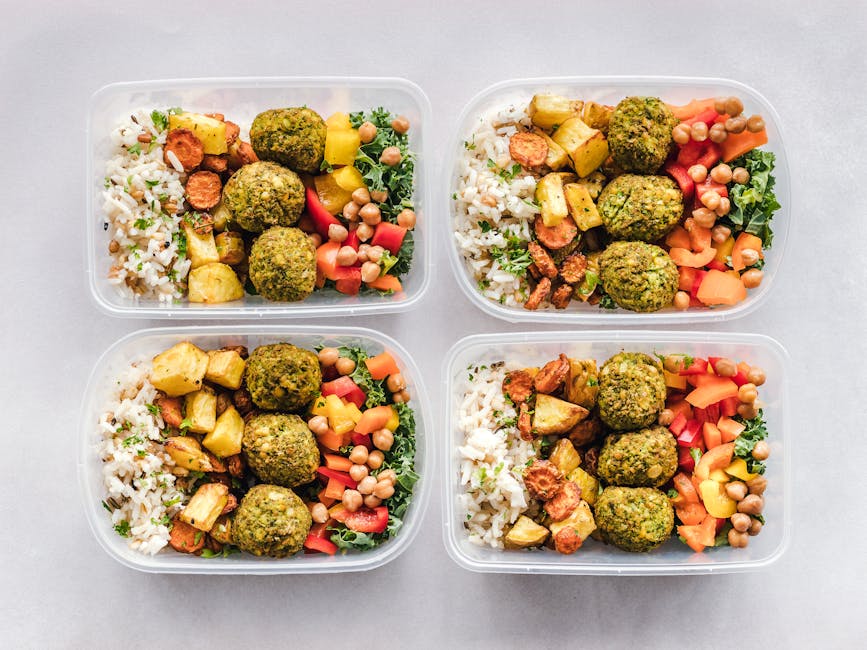
Photo by Ella Olsson on Pexels
Monitoring your physical health
Maintaining a healthy weight is part of staying safe on the job. Excess weight can put strain on your joints, while being underweight might mean you lack the necessary reserve for high-intensity days. If you want to check your general health markers, our BMI Calculator can provide a baseline for your body mass index.
Statistics Canada provides data on how occupational health and physical activity levels correlate to long-term wellness. You can read more about these trends in their dietary energy requirements. Understanding these patterns can help you stay proactive about your own health.
Financial health and personal longevity
Your career in the trades is meant to be a long haul. Just as you plan your retirement contributions or manage your cash flow, you must plan your physical maintenance. If you neglect your nutrition, the cost of burnout or injury is far higher than the cost of buying healthy groceries.
Keep track of your salary and deductions using our Salary Calculator to ensure you are meeting your financial goals. Being financially secure reduces stress, which in turn helps you focus better on physical recovery. Treat your health as a primary asset, because your ability to work is your most valuable resource.
Stay consistent with your fuel intake, monitor your body's signals, and adjust your routine as needed. Your body is a high-performance machine, and it deserves the right inputs to keep running smoothly until you choose to hang up the tool belt.