
Skiing and Snowboarding Fitness: Why Body Fat Percentage Matters More Than BMI for Canadian Winter Athletes
Discover why Body Mass Index is an outdated metric for Canadian skiers and snowboarders. Learn why prioritizing body composition over weight helps with thermoregulation, endurance, and performance on the slopes.
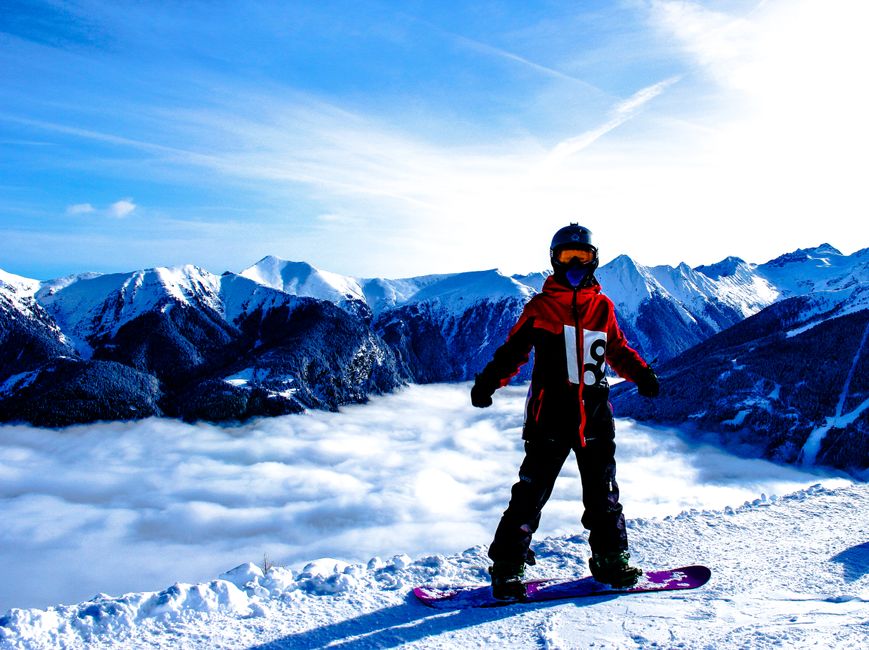
If you are planning your annual trip to the mountains in British Columbia or Quebec, you have likely spent weeks getting your gear ready. You check your bindings, sharpen your edges, and maybe even set aside a budget for the lift passes and the HST you pay on your equipment rentals. Yet, one of the most vital pieces of equipment for a successful ski season is the body you carry down the slope.
Many athletes mistakenly rely on the Body Mass Index, or BMI, to determine if they are in shape for the physical demands of winter sports. While BMI provides a quick snapshot of weight relative to height, it completely ignores the ratio of muscle to fat. This leads many active Canadians to believe they are out of shape simply because they carry significant muscle mass, which is actually a vital asset for maintaining stability and power on uneven terrain.
The BMI Fallacy for Canadian Athletes
BMI is a broad statistical measure that does not differentiate between fat mass and lean muscle mass. For a Canadian athlete who trains for the winter season by cycling, lifting, or running, a higher weight might actually indicate a healthy, high-functioning body rather than excess fat. When you rely solely on BMI, you may inaccurately categorize your health status, which can lead to misguided efforts in weight loss that could actually hinder your performance.
Instead of checking BMI, a more functional metric for winter sports is your body fat percentage. Athletes require a specific range of body fat to maintain energy levels and support metabolic function. You can run the numbers in our Body Fat Calculator to understand where you stand. Focusing on body composition allows you to recognize that your training regimen is actually building the functional strength required to carve hard turns or navigate deep powder in the Rockies.

Photo by Ivan S on Pexels
Thermoregulation and Body Fat
Skiing and snowboarding are endurance sports that occur in harsh, cold environments. Your body fat plays a surprising role in how you handle these temperatures. While being excessively lean might be an advantage for a summer marathon runner, winter athletes need a moderate amount of adipose tissue for insulation and energy reserves. This is not about aesthetic goals, but about the physiological reality of spending eight hours outdoors in sub-zero temperatures.
Adequate body fat levels help the body preserve heat and protect vital organs. When you operate at too low a percentage, your body prioritizes heat retention over peak athletic performance, which can lead to premature fatigue. To understand your baseline needs, you can see how your body processes energy by checking our BMR Calculator. Recognizing your basal metabolic rate helps you ensure you are eating enough to support your sport without feeling sluggish on the mountain.
Fueling for the Slopes
Because of the intensity of winter sports, your nutritional needs are significantly higher than during sedentary days. Carbohydrates provide the immediate energy for short, high-intensity bursts on the mountain, while healthy fats provide the sustained fuel for long days of riding. You can consult the Health Canada dietary reference guidelines to better understand the balance of macronutrients required for high-performance living.
If you find yourself hitting the wall by the afternoon, your nutrition strategy might need a recalibration. You can estimate your daily calorie needs using our Calorie Calculator to ensure you are meeting the demands of a high-altitude day. Additionally, you can ensure your recovery is optimized by checking our Protein Intake Calculator. Providing your muscles with enough protein is essential for repairing the tissue stressed by the constant micro-adjustments required for control on icy runs.
Building Functional Strength
Winter sports demand a specific type of strength, focused on the core, quads, and glutes. These muscles work in unison to keep you balanced, absorb impact, and steer your skis or board through varied snow conditions. When you shift your focus from total body weight to body fat percentage, you can prioritize resistance training that targets these areas rather than focusing on cardio alone.
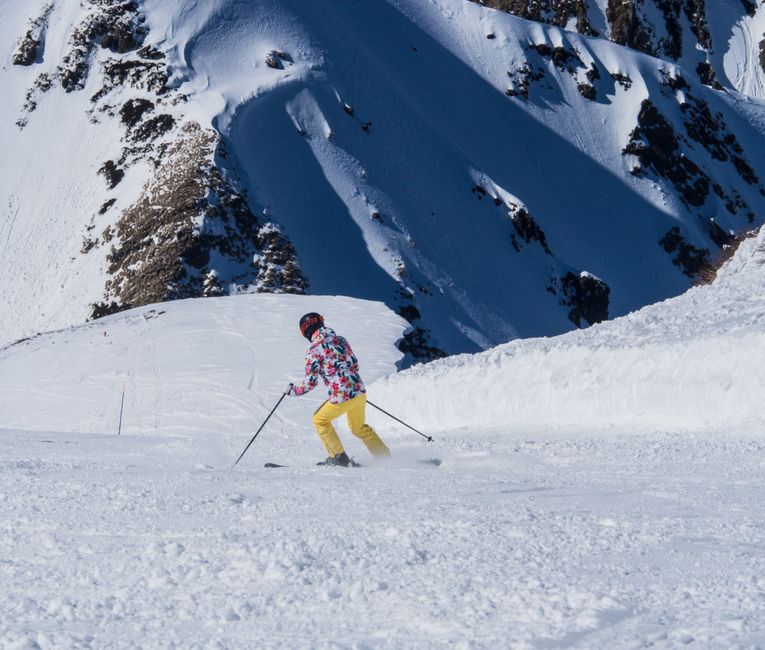
Photo by Rockwell branding agency on Pexels
Strength training, when paired with a focus on healthy body composition, improves your stability and reduces the risk of injury. A well-conditioned athlete is more resistant to the fatigue that often leads to bad form and accidents. Consider your training plan as a long-term investment, similar to how you might use an Investment Calculator to plan for your future financial stability. The consistency you bring to the gym in the autumn pays dividends when you are tackling your favourite black diamond run in the winter.
Sustaining Your Health
Maintaining a healthy body composition is a lifelong practice, not a short-term fix before a vacation. It involves consistent exercise and a diet rich in whole foods, which Heart and Stroke recommends to support overall cardiovascular health. By focusing on how your body performs rather than how it looks on a scale, you empower yourself to be a more capable, resilient athlete.
As you prepare for the season, remember that your body is a system that needs care. Use the data you gather from your body fat and metabolic metrics to inform your training, not to stress over small fluctuations. Whether you are hitting the slopes in Ontario or the massive peaks of British Columbia, being strong, nourished, and physically balanced will make every run more enjoyable and sustainable.